 Indiana
Indiana Replaced a Heisman Winner With a System Bet
Josh Hoover inherits a team ranked No. 6 in both major polls, but his first season in Bloomington will be judged by the parts of Cignetti’s offense he can preserve before his own playmaking can change it.
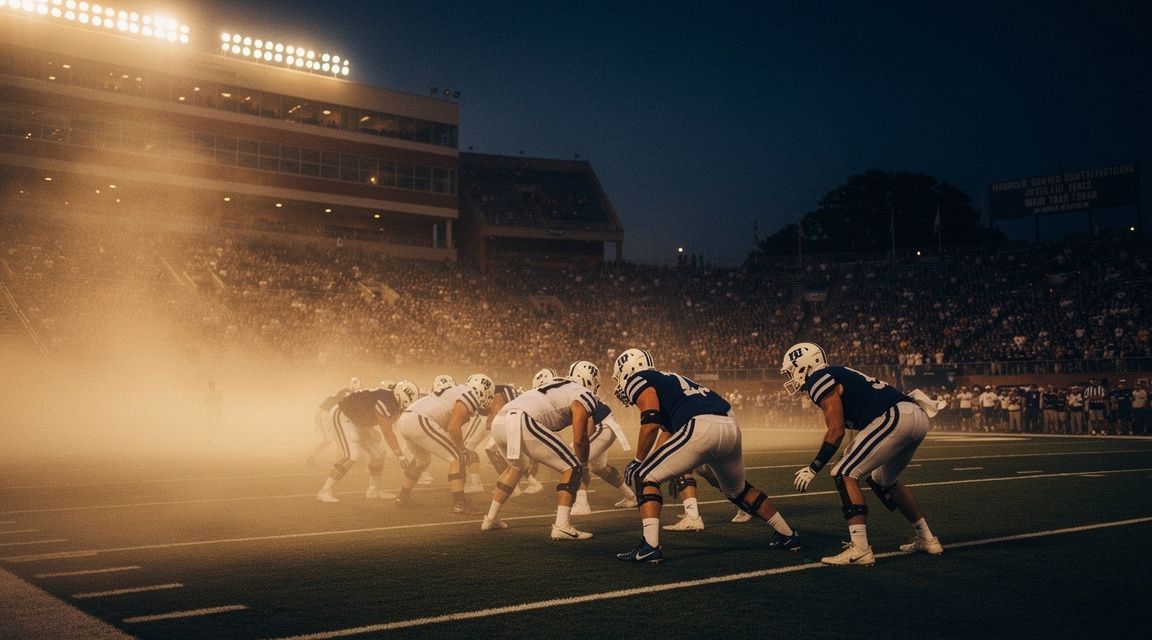 The Pate State
Indiana did not replace Fernando Mendoza by asking the next quarterback to become Fernando Mendoza. The Hoosiers gave the job to TCU transfer Josh Hoover, a choice that puts more weight on fit, timing and command than on matching a Heisman winner's individual brilliance. Hoover can make this work if he keeps Cignetti's offense on schedule. He is less likely to match the plays Mendoza created when the schedule broke down.
That distinction matters because the defending national champion enters 2026 ranked No. 6 in both major polls. A team carrying that kind of expectation does not need a quarterback who treats every possession like an audition. It needs the quarterback who gets the call, sees the picture, distributes the ball and gives the rest of the offense a chance to matter.
Hoover's first public checkpoint came after Indiana's spring game in April, when he said he wanted to improve and become the best quarterback he could be. He has not spoken with reporters since that night and is not expected to do so before Indiana plays North Texas on Sept. 5. That leaves the opener as the first public evidence of how quickly the transfer has absorbed the job.
“Hoover does not need to win the Heisman Trophy to keep the Hoosiers in the national conversation.”
From the storyQuarterback: Hoover has to run the offense before he reshapes it
Hoover's value begins with the parts of quarterback play that do not require a highlight. He must get Indiana into the right play, protect the ball, handle the down and distance, and make the throws that keep Cignetti's offense from living in obvious passing situations.
That may sound modest for a quarterback replacing the most decorated player in the program's recent history. It is also how a new starter gives himself room to grow. A quarterback who stays ahead of the chains keeps the playbook open. The defense cannot sell out on pressure or coverage if Indiana can still run and throw from the same personnel.
Hoover's TCU experience gives him a starting point, but it does not automatically transfer every answer from one offense to another. The useful comparison will not be whether his arm looks like Mendoza's. It will be whether Indiana's operation stays clean when a defense changes the picture after the snap.
Mendoza helped lead Indiana to the national championship as a Heisman Trophy winner. That combination created a very high bar for spectacular quarterback play. Hoover may fall short there. A quarterback can run an offense well and still lose the late-down rep that a Heisman-level player might have turned into a first down with his arm or legs.
Verdict: B. The fit can keep Indiana efficient, but the offense may lose its most reliable escape hatch when the original play stops working.
Skill positions: Hoover must make the distribution feel intentional
The receivers and backs do not need Hoover to play the same style as the quarterback before him. They need him to find them on time. That means throwing with enough anticipation for a route to become a gain instead of waiting until the defense has closed the window.
This is where system fit becomes visible. If Hoover takes the snap, confirms the coverage and delivers on schedule, Cignetti can call the offense with confidence in the whole formation. If Hoover holds the ball while searching for the perfect throw, the skill players become spectators and the defense gets to attack one quarterback instead of defending the entire field.
The difference can show up without a single dramatic mistake. A hitch route thrown late becomes a short gain. A checkdown missed becomes a sack. A receiver who is open for two steps is covered by the time the ball arrives. Those are small losses, and enough of them can turn a comfortable drive into third-and-long.
Hoover's job also includes resisting the temptation to make every good player prove himself on every possession. Cignetti's offense can work through several players when the quarterback accepts the defense's first concession. A short completion may feel ordinary. It can also force the next coverage adjustment and create the deeper throw later.
There is a limit to that approach. If defenses decide that Hoover will rarely challenge them outside the structure of the call, they can squat on the short game and crowd the middle. That is where his own arm talent and willingness to throw into tighter windows will matter. Fit gets Indiana started. It does not erase the need for a quarterback to punish a defense that stops respecting the full field.
Verdict: B-minus. Hoover can keep the skill group involved through timing, but Indiana may need more individual creation when opponents take away the first read.
Offensive line: Clean pockets make the bet look smarter
The line carries a quiet part of this transition. A new quarterback can appear settled when the pocket is clean and hurried when protection breaks down. Indiana does not need perfect blocking for Hoover to succeed, but it does need enough time for the offense to operate as designed.
Protection changes the type of quarterback Hoover gets to be. With a firm pocket, he can work through the defense and deliver on rhythm. With pressure arriving before the route develops, he must either create outside the play or accept a difficult throw. That second version favors the quarterback with a proven history of turning broken downs into something useful.
This is the area where replacing Mendoza may carry a hidden cost. The previous quarterback's individual ability could cover for a missed block, a route that took too long or a defense that guessed correctly. Hoover may need the five players in front of him to make the original call work more often.
The protection plan will also shape how much of the offense Indiana can show early. If the line can handle pressure with its normal calls, Cignetti can keep backs and tight ends available as receivers. If the defense consistently forces extra help into protection, Indiana will have fewer eligible players in the pattern and more predictable answers for Hoover to find.
That does not make the line the story of the quarterback change. It makes the line the group that can keep the change from becoming the story of every game.
Verdict: B. A sound pocket gives Hoover the runway this bet requires. Protection breakdowns could expose the gap between functional quarterback play and rare quarterback play.
Coaching and operation: The safest path is also the demanding one
Cignetti's offense has to give Hoover enough continuity to play fast without shrinking the menu. That means calls that let him identify the coverage, get the ball out and build confidence before Indiana asks him to win a possession with a difficult throw.
The staff also has to decide where Hoover's own strengths deserve more room. A transfer quarterback cannot spend an entire season impersonating the player he replaced. There should be a point when the offense uses what Hoover does best, even if that makes the operation look different from the championship version.
The timing leaves little space for public adjustment. Hoover was named the starter before his Indiana debut, and that debut arrives against North Texas on Sept. 5. The early games should reveal whether the staff is protecting him with conservative calls or trusting him with the full menu. The difference will be visible in the moments after a defense removes the first option.
Indiana's national standing adds pressure without changing the basic football. A bad throw in September does not become worse because of a poll. A repeated inability to create after the first play fails does. Teams ranked near the top can survive a quarterback learning a new offense. They have less room for an offense that cannot answer when opponents force it away from its preferred script.
Verdict: B-plus. The coaching fit gives Hoover a credible path, provided the staff builds around his strengths instead of asking him to recreate Mendoza's rarest moments.
Overall grade: B
Indiana made a sensible bet. Hoover does not need to win the Heisman Trophy to keep the Hoosiers in the national conversation. He needs to preserve the timing and structure that allow Cignetti's offense to use all eleven players, then add enough off-script quality to stop good defenses from treating the call sheet like a short menu.
That is where the new quarterback is likely to fall short of Mendoza. The offense may run cleanly and still produce fewer moments that change a game by themselves. Indiana's path depends on making those moments less necessary, not pretending they will arrive on demand.
The first meaningful receipt comes against North Texas, when a defense takes away Hoover's preferred throw and Indiana has to play the next snap. If the ball comes out on time and the drive stays alive, the system bet will already be paying for itself. If Indiana needs Hoover to rescue the offense repeatedly, the distance between a good fit and a Heisman-level quarterback will be sitting in plain sight.
01 · The Open QuestionsQuestions to Be Answered
Can Hoover provide enough off-script production when Indiana's original call breaks down?
Indiana's system can keep Hoover on schedule through timing, distribution and clean protection, but Mendoza could turn missed blocks, slow routes and correctly guessed calls into first downs. The answer will surface against North Texas on Sept. 5 when the defense removes Hoover's preferred throw and Indiana must find a way to keep the drive alive.
How quickly will Cignetti's offense shift from continuity to Hoover's own strengths?
The staff must let Hoover identify coverage and build confidence without shrinking the menu, yet he cannot spend an entire season impersonating Mendoza. Early games will show whether Indiana is protecting him with conservative calls or trusting him with the full menu, especially after defenses take away the first option.
Can Indiana's protection keep Hoover in the version of the offense built for him?
With a clean pocket, Hoover can deliver on rhythm and use the entire formation. If pressure arrives before routes develop, Indiana will need extra help in protection, reducing eligible receivers and asking Hoover to create outside the play more often. That gap could determine whether the quarterback transition becomes the story of every game.
02 · The Watch ListWhat to Watch Next
Does Hoover get the ball out on time?
The tell is whether he confirms the coverage and delivers before the defense closes the window, keeping drives out of third-and-long.
Can Indiana stay on schedule after the first read disappears?
The key moments come when a defense removes Hoover's preferred throw. Indiana needs the next snap to keep the drive alive without repeated rescue plays.
Is protection letting the full offense operate?
A firm pocket lets Hoover work through the defense on rhythm and keeps backs and tight ends available as receivers instead of extra protectors.
Will defenses crowd the short game?
If Hoover rarely challenges outside the structure of the call, opponents can squat on short throws and crowd the middle. His willingness to throw into tighter windows will show whether they can do that safely.